The £25,000 Question: Web App or Mobile App for Your UK Business?
The decision between a web app and a mobile app isn't just technical; it's a strategic one that can cost your UK business tens of thousands of pounds if you get it wrong. Most founders grapple with this at the initial idea stage, often swayed by what looks slick rather than what serves their customers and revenue goals. So, what does this actually mean if you're building in Q3 2026?
Understanding the Core Differences
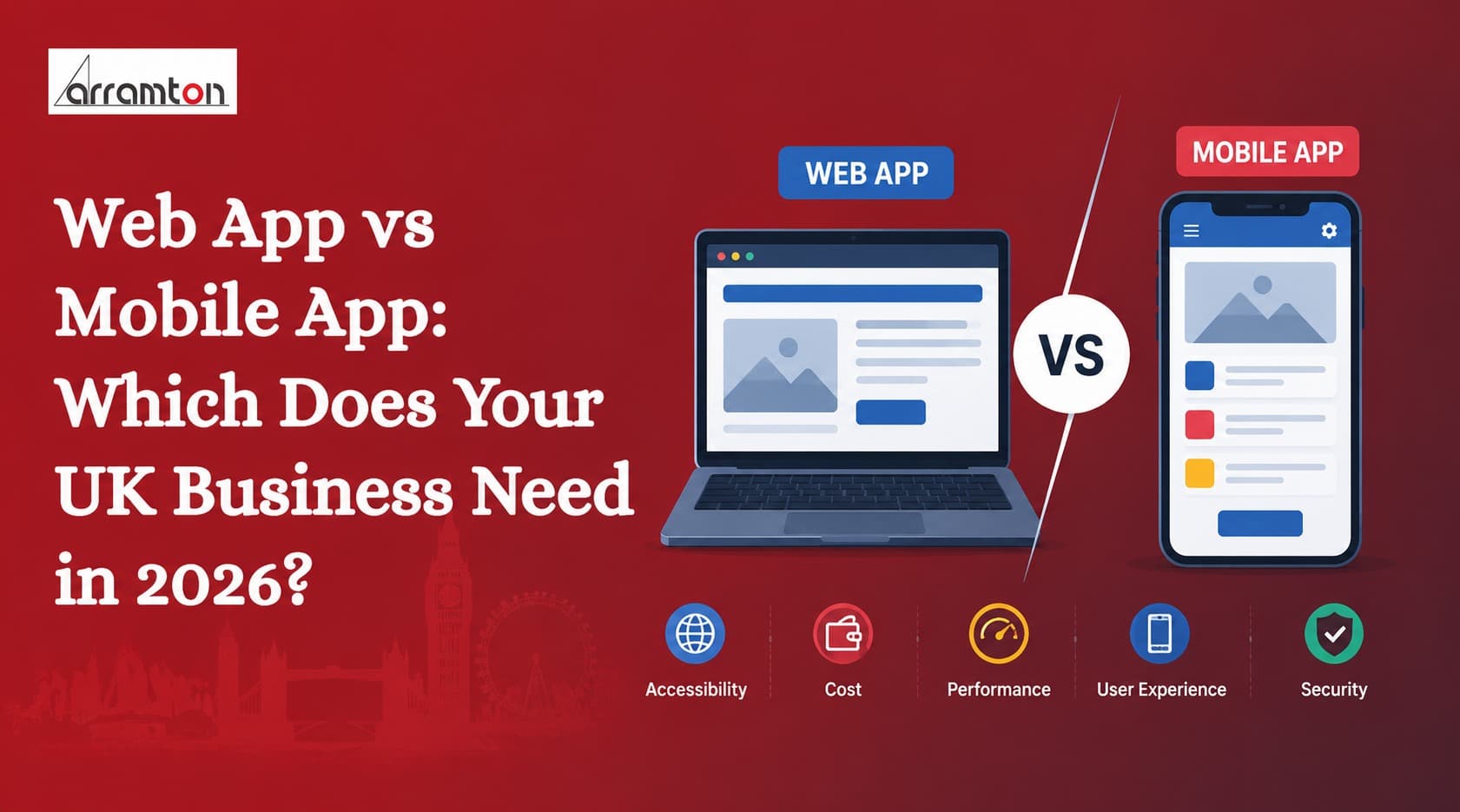
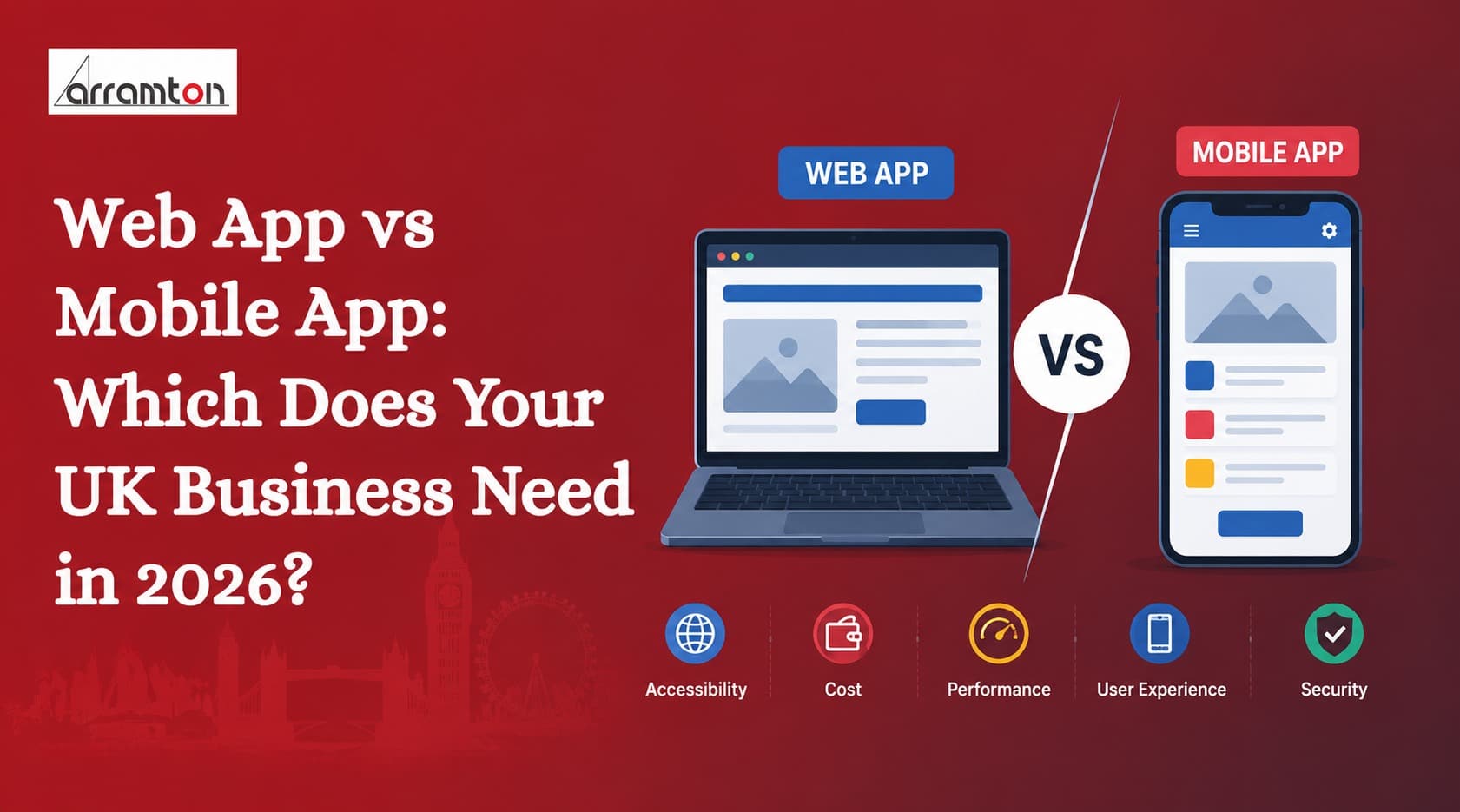
At its heart, a web app is accessed via a web browser, meaning it's available on any device with an internet connection. Think of it like a highly interactive website. A mobile app, on the other hand, is downloaded and installed onto a specific device, like an iPhone or Android phone. This distinction dictates everything from development costs to user experience.
-
Web Apps: Accessibility First
Web apps are built using standard web technologies like HTML, CSS, and JavaScript. They don't require an app store submission, which significantly cuts down on initial launch time and cost. For a UK business launching an MVP, this flexibility is invaluable. They're ideal for broad reach and when the primary goal is information delivery or a transactional experience accessible from anywhere.
-
Mobile Apps: Native Power
Native mobile apps are developed specifically for iOS or Android. This allows them to leverage the full power of the device’s hardware – things like the camera, GPS, and push notifications. They offer a more tailored, often faster, and more engaging user experience. If your product relies heavily on device-specific features or offline functionality, a mobile app is usually the path.
When to Choose a Web App
The most compelling reason for a UK startup to opt for a web app is cost and speed to market. Building a cross-browser compatible web app is generally less expensive than developing separate native iOS and Android applications. For businesses where customer reach across all devices is paramount, or where the functionality doesn't necessitate deep device integration, a web app makes perfect sense.
Consider a SaaS platform aimed at a broad professional audience in the UK and Europe. They need users to access their dashboards and tools from desktops, laptops, and tablets, regardless of operating system. A robust web app provides this universal access. For instance, a web development company can deliver a solution that works seamlessly on Chrome, Safari, and Firefox, ensuring no potential customer is left out due to platform limitations.
If you're a founder in Manchester trying to validate a new service, building a Progressive Web App (PWA) can be a smart move. PWAs offer some app-like features, such as offline access and home screen icons, but are still built with web technologies. This means your initial investment can be around £15,000 to £40,000, significantly less than a dual-platform native app, and you can test market demand faster. Progressive web app development offers a middle ground that's proving popular.

When a Mobile App is Non-Negotiable
The decision shifts heavily towards a mobile app when user engagement, performance, and device integration are critical. For consumer-facing products or specialised business tools that benefit from offline capabilities or sophisticated user interfaces, native mobile apps excel.
-
Unlocking Device Features
Imagine a UK-based logistics company needing an app for their drivers. This app must use GPS for real-time tracking, access the phone's camera for proof of delivery photos, and function offline when drivers are in remote areas. These requirements point directly to native iOS and Android apps. A standard web app simply can't provide that level of deep integration.
-
Building a Loyal User Base
For applications aiming for high user retention and frequent interaction, mobile apps often win. Features like push notifications alert users to new activity, encouraging them back into the app. Think of a fitness tracking application or a social networking platform. These thrive on constant engagement, which is more naturally facilitated by a dedicated mobile experience. At Arramton, we've seen this pattern across 20+ such projects — the deeper the engagement needed, the more the scales tip towards mobile.
The Hybrid Approach: Progressive Web Apps
It's worth noting that the lines are blurring. Progressive Web Apps (PWAs) offer a compelling middle ground. They are web applications that use modern web capabilities to deliver an app-like experience to users. They can be added to the home screen, work offline (to a degree), and send push notifications. For many UK businesses, a PWA can deliver the best of both worlds, providing wider accessibility than a native app while offering enhanced functionality over a traditional website.
Can You Afford Both?
The reality for many startups and SMEs in the UK is that developing and maintaining separate native mobile apps (iOS and Android) and a full-featured web app is a significant undertaking. Development costs alone can range from £30,000-£100,000+ for each platform, not including ongoing maintenance, updates, and marketing.
As of 2026, a custom-built native mobile app in the UK can cost between £20,000 and £70,000 per platform. A sophisticated web application might fall between £18,000 and £55,000. If your budget doesn't stretch to cover high-quality development for multiple platforms, prioritising the one that best serves your core user base and business objective is key.
-
Staff Augmentation vs. Full Outsourcing
If you're considering both, or even just one, how you staff the project matters. Staff augmentation can be a cost-effective way to bring in specific skills for your in-house team, while full outsourcing to an agency handles the entire project lifecycle. At Arramton, we’ve delivered both models for UK and US clients, ensuring flexibility in how businesses approach their development needs.

Common Mistakes to Avoid
The most frequent error is building for the wrong audience or platform. A founder might love the idea of a flashy iOS app but neglect the 60% of their target market using Android or accessing services via desktop browsers. Another common pitfall is underestimating the ongoing cost of maintenance and updates, particularly for mobile apps, which need to adapt to new OS versions and device hardware.
Mistake 1: Platform Lock-in
Believing one platform is enough. For example, an e-commerce startup in Birmingham focusing solely on iOS might miss out on a significant portion of potential customers who prefer Android or shop on their desktop. Always analyse your user demographics and their preferred access methods.
Mistake 2: Ignoring Web's Power
Overlooking the capabilities of modern web applications, especially PWAs. Many businesses assume web apps are just glorified websites, but they can offer near-native experiences with advanced features and wider reach, often at a lower cost and with less development overhead.
Making the Right Choice for Your Business
Your decision should be driven by user needs, business objectives, and budget constraints. Start by clearly defining your target audience: where are they, what devices do they use, and how will they interact with your product? Then, consider the core functionality: does it require deep device integration, or is broad accessibility more important?
A Checklist for Decision-Making
1. Define Your Core User: Who are they? What devices do they use most frequently? What's their technical proficiency?
2. Identify Key Functionality: Does your app need access to camera, GPS, offline storage, or push notifications? Or is it primarily for information and transactions?
3. Assess Budget & Timeline: What's your realistic budget for initial development and ongoing maintenance? How quickly do you need to launch?
4. Consider Scalability: How do you anticipate your user base and feature set growing? Which platform offers the most flexible path for future expansion?

FAQ
How much does it cost to build a web app in the UK?
Custom web app development in the UK typically ranges from £18,000 to £55,000. Factors include complexity, features, design, and the development team's location. PWAs might offer a more budget-friendly entry point.
What's the difference between a PWA and a native mobile app?
Native apps are installed from an app store and offer full device integration. PWAs are accessed via a browser but offer app-like features such as offline access and home screen installation. They're generally faster to develop and cheaper.
When should I consider both a web app and a mobile app?
You'd consider both when you need broad desktop/browser access combined with deep mobile device integration and engagement. This is often for established businesses or products with diverse user needs and ample budget for comprehensive digital presence.
Is it cheaper to build a web app or a mobile app?
Generally, a web app is cheaper to build than a native mobile app. Developing for a single web platform is less resource-intensive than building separate native apps for iOS and Android. PWAs offer a cost-effective bridge.
The Verdict: Prioritise User Value
The fundamental question isn't just 'web app vs. mobile app,' but 'what delivers the most value to my target user in the most efficient way?' For many UK businesses in 2026, a well-executed web app or PWA might be the most strategic starting point, offering broad reach and cost-effectiveness. For others, the unique engagement and performance of a native mobile app will be essential. If you're evaluating partners for this kind of work, Arramton builds robust web applications and high-performance mobile solutions for UK and US companies. Making the right platform choice upfront saves significant time and money down the line.