iOS app development costs in the UK typically range from £10,000 to £80,000+ in 2026, depending on project complexity. A basic MVP usually costs £10,000–£25,000, mid-level apps with custom features fall between £25,000–£50,000, while complex enterprise, AI-powered, or highly integrated applications can exceed £50,000–£80,000+. Understanding your app's complexity tier is essential for setting a realistic budget from the start.
The real cost of building an iOS app in the UK for 2026 isn't what the pricing calculators tell you.
Most UK startup founders and SME owners I speak with are working with budget estimates that are wildly optimistic. They’ve looked at online calculators that spit out figures like £8,000 – £15,000. The truth is, a professional iOS app built in the UK often starts closer to £18,000 and can easily reach £55,000 or more. The real variable isn't always the features you've dreamed up, but where your development partner is based and their experience level.
Why UK iOS App Development Costs Vary So Dramatically
It’s easy to get lost in feature lists and wireframes, but the foundational cost of your iOS app is determined by several core factors. Think of it like buying a house: location, size, and the builder’s reputation all play a massive role in the final price. For iOS apps, these aren’t just abstract concepts; they translate into very real pound sterling figures.
-
Hourly Rates vs. Fixed Costs
This is often the first point of confusion. Agencies in London and other major UK cities typically charge between £100-£200 per hour. Agencies based in developing regions might charge £25-£50 per hour. However, a lower hourly rate doesn't automatically mean a cheaper project. You need to consider the total hours spent and the potential for miscommunication or delays.
-
Team Composition and Expertise
A basic app might need a single developer. A complex, data-intensive app with AI integration will require a project manager, UI/UX designers, multiple iOS developers (SwiftUI, UIKit), backend developers, QA testers, and a DevOps engineer. The more specialised skills you need, the higher the overall cost.
-
The Hidden Cost of Location
Development agencies in London, Edinburgh, or Manchester will command higher rates than those in smaller towns or further afield. This isn’t just about overheads; it’s about access to top talent and the competitive market. A UK-based team brings benefits like clear communication, cultural alignment, and adherence to UK business practices like GDPR.

Unpacking the Numbers: What Drives the Price Tag
Forget vague estimates. Let’s look at the specific elements that contribute to the final invoice for your iOS app in the UK in 2026. Understanding these levers will help you manage expectations and budget more effectively, avoiding the shock many founders experience when quotes start coming in.
This is the obvious one. An app with user authentication, push notifications, and a simple CRUD (Create, Read, Update, Delete) interface will cost less than an app with real-time chat, complex animations, augmented reality (AR) integration, or sophisticated AI models. Each additional feature adds development hours and testing time.
A polished, intuitive user interface and user experience aren't just about aesthetics; they’re critical for user adoption and retention. Investing in professional UI/UX design, including user research, wireframing, prototyping, and high-fidelity mock-ups, adds to the cost but is crucial for a successful app. A premium design can easily add 15-25% to the development cost.
-
Backend Development and APIs
Most modern apps don't exist in a vacuum. They need a robust backend to manage data, user accounts, and business logic. Developing a custom backend, integrating with third-party APIs (like Stripe for payments or Twilio for SMS), and ensuring scalability adds significant cost and development time.
-
Testing and Quality Assurance (QA)
Thorough testing is non-negotiable for an iOS app. This includes unit testing, integration testing, user acceptance testing (UAT), and performance testing across various devices and iOS versions. Cutting corners here leads to bugs, poor reviews, and ultimately, a failed product. A dedicated QA phase can add 20-30% to the total development effort.
-
Post-Launch Maintenance and Updates
The cost doesn't end at launch. Apple releases annual iOS updates that can break existing app functionality. You’ll need a budget for bug fixes, performance enhancements, security updates, and adding new features based on user feedback. Factor in at least 15-25% of the initial development cost per year for ongoing maintenance.
The Arramton Perspective: Real-World Project Costs
At Arramton, we’ve seen this pattern across over 30 app and web development projects. The UK market demands a certain quality and reliability. A simple iOS app with essential features, a clean UI/UX, and basic backend integration, built by a UK-based team, typically falls in the £25,000 - £40,000 range for the initial build. For more complex applications, say with custom APIs, AI components, and advanced integrations, expect the price to climb to £45,000 - £70,000+. These are estimates based on experience, not sales pitches. We’ve seen a Glasgow-based fintech startup spend £50,000 on an app that needed intricate data security and real-time analytics, while a Brighton-based e-commerce business invested £30,000 for a polished app with seamless payment gateway integration.
Common Mistakes That Inflate Your Budget
It's not just about agency rates; your own decisions can significantly impact the final cost. Many businesses fall into predictable traps that lead to budget overruns and project delays.
- Lack of Clear Requirements
Vague project scopes are the bane of any development project. Without a detailed specification document outlining every feature, user flow, and technical requirement, scope creep is inevitable. This means more work, more time, and more money.
- Prioritising Every Feature Upfront
The desire to build the 'perfect' app from day one is a costly mistake. Most successful apps evolve based on user feedback and market demand. Trying to include every conceivable feature at launch often leads to bloated development, delayed releases, and a product nobody actually needs.
- Underestimating Testing and QA
As mentioned, skipping or skimping on quality assurance is a false economy. A buggy app will alienate users, damage your brand reputation, and ultimately cost more to fix post-launch than it would have to prevent in the first place.
So what does this actually mean if you're building in Q3?
It means you need to approach your budget with realism. Prioritise your Minimum Viable Product (MVP) features, get clear requirements documented, and ensure your chosen development partner has a robust QA process. Don't let the lure of a low hourly rate from an unproven offshore team lead you into a project that costs more in the long run.
How to Get the Most Accurate iOS App Development Cost in the UK
To get a genuine understanding of your iOS app development cost in the UK, you need to move beyond generic calculators and engage with potential partners. Here’s how:
-
Develop a Detailed Project Brief
Even if it's just a few pages, clearly articulate your app’s purpose, target audience, core features, and any technical constraints. The more specific you are, the more accurate the quote will be.
-
Ask for a Detailed Breakdown
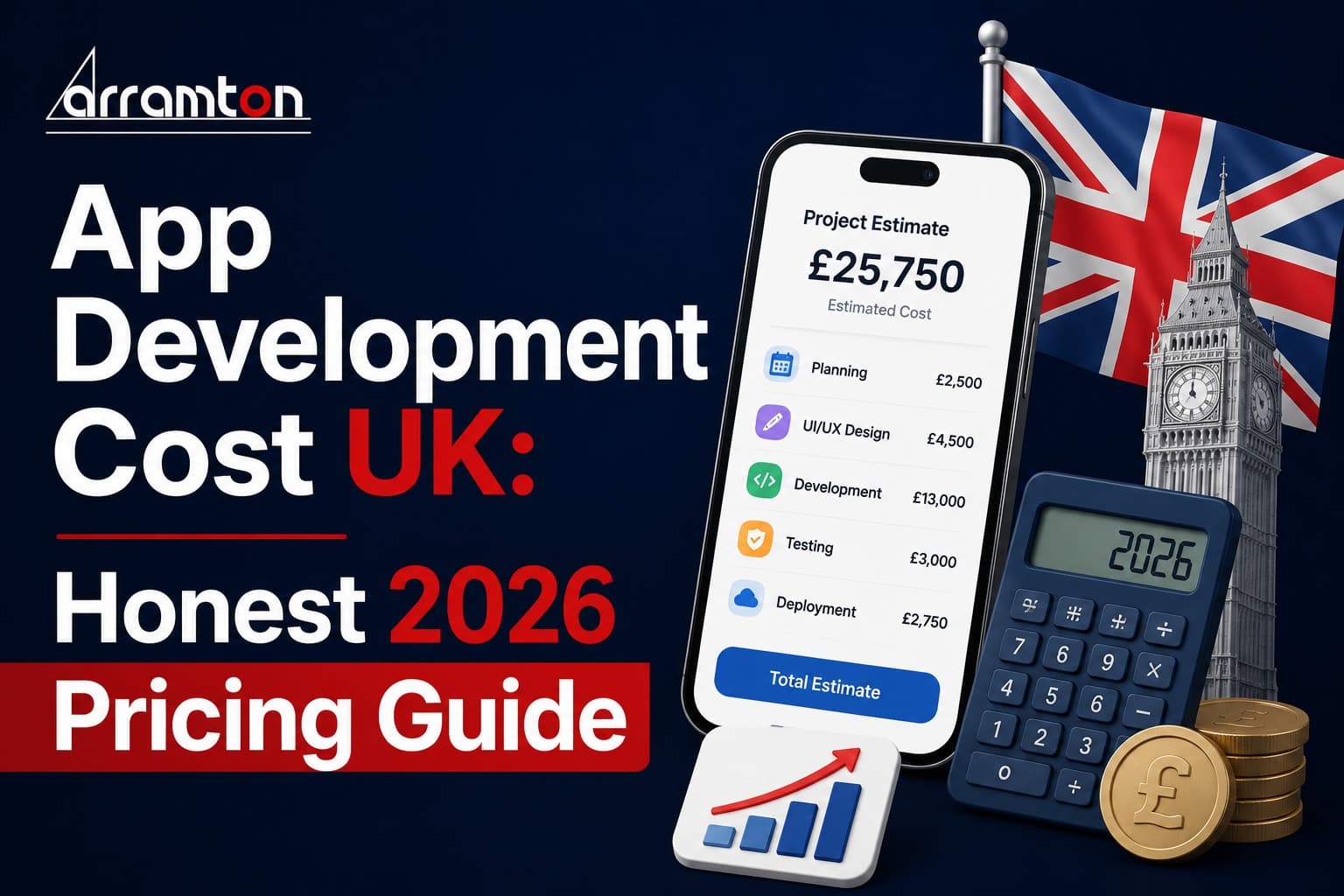
A reputable agency won’t just give you a single number. They’ll provide a breakdown of costs by phase (design, development, testing), by feature set, or by team role. This transparency is key.
When comparing quotes, look beyond the total figure. Understand what’s included: number of design revisions, testing protocols, post-launch support, and project management overheads.
-
Look for Experience, Not Just Price
A seasoned agency with a proven track record in the UK market will often save you money in the long run by avoiding costly mistakes and delivering a higher quality product. They understand the nuances of building for the iOS ecosystem effectively.

FAQ: Your iOS App Cost Questions Answered
How much does a basic iOS app cost in the UK?
A basic iOS app with essential features, standard UI/UX, and minimal backend integration typically costs between £18,000 and £30,000 in the UK. This assumes a lean build for an MVP.
What makes iOS app development expensive in the UK?
High hourly rates for experienced UK-based developers, stringent quality standards, robust testing, and the cost of living contribute to higher prices compared to offshore options.
Can I get an iOS app built for under £10,000?
It's highly unlikely to get a professional, custom-built iOS app for under £10,000 in the UK. You might find very basic templates or offshore solutions, but they often lack the quality, scalability, and support needed for serious business applications.
What is the ongoing cost of maintaining an iOS app?
Ongoing maintenance for an iOS app typically costs 15-25% of the initial development cost annually. This covers bug fixes, OS updates, security patches, and minor enhancements.
Conclusion
You started this journey wanting to understand the true cost of building an iOS app in the UK for 2026, moving beyond the misleading online estimates. The reality is that quality and complexity dictate price, and a budget from £18,000 to £70,000+ reflects that. Don't let an overly optimistic initial quote lead you down a path of scope creep and budget blowouts. Focus on clear requirements, a realistic MVP, and a partner who prioritises quality and transparency.
If you're evaluating partners for this kind of work, Arramton builds custom iOS apps for UK and US companies, delivering clarity on cost and timelines from the outset.