Why App Development Quotes Vary So Wildly in the UK
Understanding app development cost in the UK requires cutting through a lot of noise. If you've received quotes ranging from £15,000 to £80,000 for what seems like the same project, you're not alone. This massive discrepancy isn't usually down to hidden agendas; it's a complex interplay of factors, including how agencies scope projects, their operational base, and the inherent quality assumptions made. Getting a reliable estimate means understanding these variables upfront.
The truth is, 'an app' is not a single product. It's a bespoke creation, and its price tag reflects its complexity, features, and the expertise required to build it to a high standard. A simple Minimum Viable Product (MVP) for a single platform will naturally cost significantly less than a feature-rich, cross-platform enterprise solution with intricate integrations. Most UK businesses underestimate the detail required for an accurate quote, leading to wildly different price points from different vendors.
This guide cuts through the ambiguity. We'll break down precisely what influences app development pricing in the UK for 2026, providing a transparent view so you can budget effectively and choose the right partner. This isn't about finding the cheapest option, but the one that delivers the best long-term value and ROI for your investment.

UK App Development Cost by App Type (2026 Data)
Let's get straight to the numbers you're likely looking for. These figures represent typical costs from UK-based agencies delivering high-quality applications. Remember, these are estimates, and a detailed discovery phase is always needed for a precise quote.
For a simple MVP, expect to budget between £18,000 and £35,000. This typically covers 3-5 core screens, a single platform (iOS or Android), and assumes you already have branding and design system guidelines in place. It’s about getting your core idea to market swiftly.
A standard mobile app, featuring 8-15 screens, developed for both iOS and Android, including essential backend APIs and push notifications, will realistically fall in the £35,000 to £75,000 range. This offers a more complete user experience and robust functionality.
Complex applications, those with over 15 screens, multiple user roles (e.g., admin, user, guest), third-party integrations, or strict compliance requirements like GDPR, will command a higher price point. Expect costs from £75,000 to £200,000. Building an app that requires navigating regulatory hurdles demands significant expertise and development time.
For enterprise-level platforms, custom workflows, integrations with ERP or CRM systems, and multi-region deployment, the investment easily exceeds £200,000. These are sophisticated, business-critical systems that require deep technical integration and strategic planning. These figures reflect the UK market; offshore-only agencies often quote 30-50% lower, but this can introduce higher management overhead and quality risks that offset initial savings. AI-native agencies, like Arramton, often provide quotes 20-30% below traditional UK rates for identical specifications, thanks to AI-augmented development boosting productivity.
What Drives App Development Cost: The Real Variables
The core features and complexity are obvious cost drivers, but several less apparent factors significantly impact your app development cost in the UK. Understanding these will help you manage expectations and discussions with potential agencies.
The technology stack chosen is paramount. Native iOS (Swift) and Android (Kotlin) development often incurs higher costs than cross-platform solutions like React Native or Flutter, as it requires separate development teams or more complex builds. However, native often provides a superior user experience and performance, a trade-off many founders must consider. Choosing Flutter, for instance, can streamline development for both platforms from a single codebase, potentially reducing costs by 20-30% compared to two separate native builds.
Integration with third-party services — be it payment gateways, social media APIs, mapping services, or complex enterprise systems like Salesforce — adds substantial development time and complexity. Each integration requires careful API handling, data synchronisation, and robust error management, all contributing to the overall project scope and cost.
User roles and permissions add another layer. Apps with simple, single-user access are less costly than those needing distinct interfaces and functionalities for administrators, regular users, and perhaps even guest or subscriber tiers. Managing data segregation and access control requires careful architectural planning.
Compliance and security requirements, particularly for apps handling sensitive data (financial, health, personal identifiable information), introduce significant overhead. Adhering to standards like GDPR, HIPAA, or PCI DSS involves specialised knowledge, rigorous testing, and often third-party audits, adding to both development time and cost. For a UK-based fintech startup, this isn't optional; it's a core requirement.
Cost Breakdown: Design vs Development vs QA vs Project Management
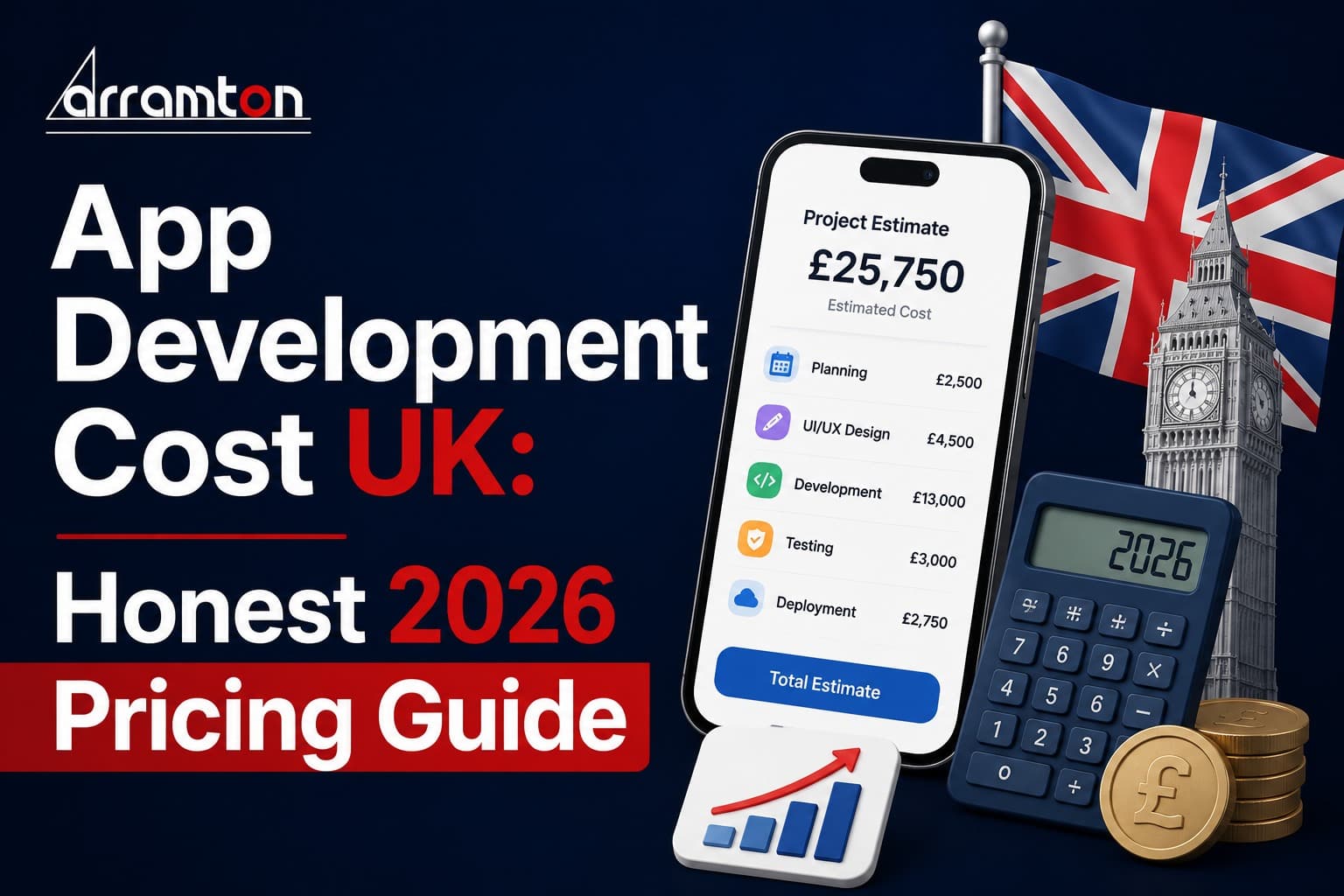
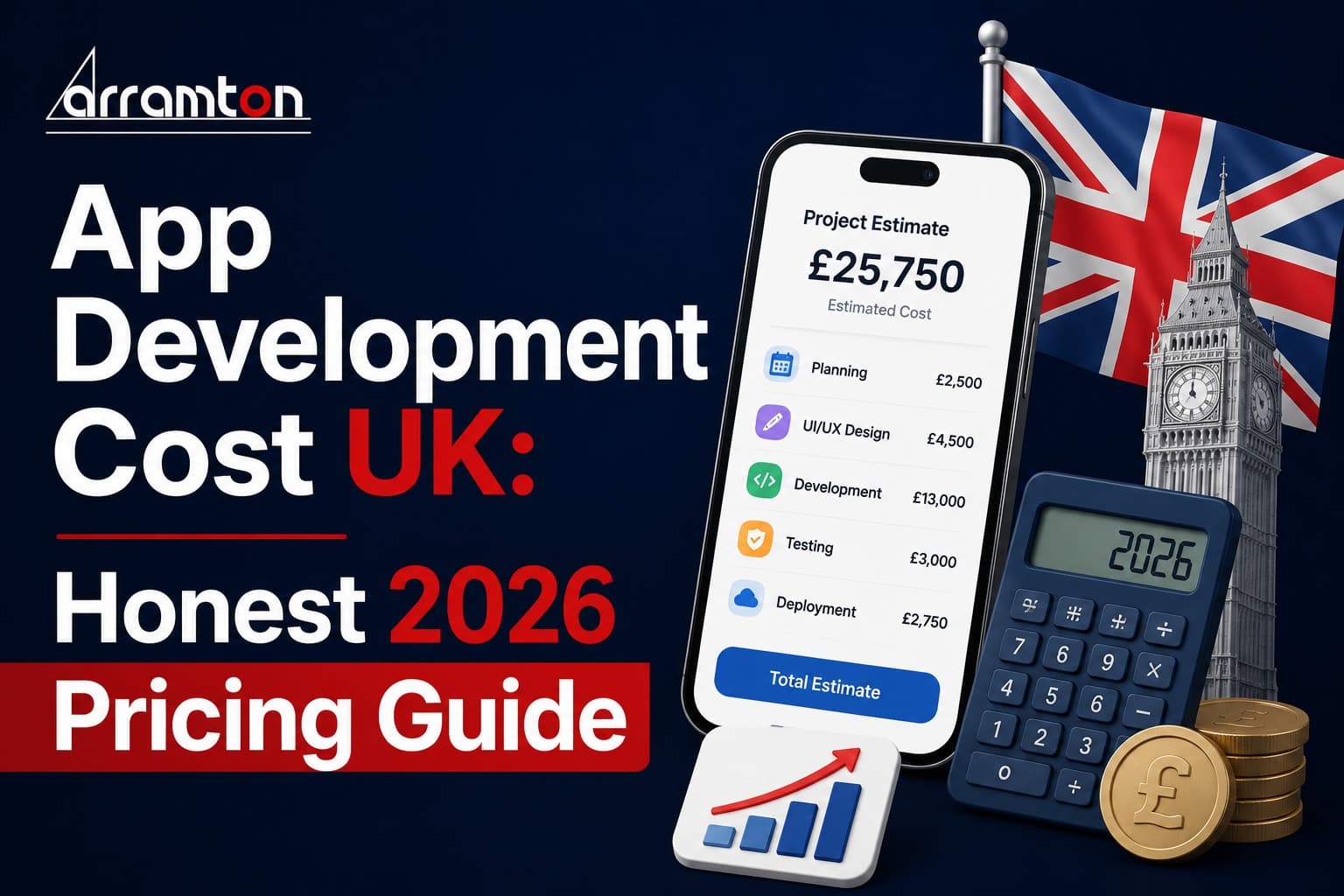
To truly grasp app development pricing UK, you need to see where the budget is allocated. A typical breakdown for a well-managed project looks something like this:
- UX/UI Design: 15-20%
- Development (Frontend + Backend): 55-65%
- QA & Testing: 10-15%
- Project Management: 10-15%
- Infrastructure Setup & Deployment: 5-8%
The lion's share, as you can see, goes into the actual coding — building the features and functionality. Design, while crucial for user engagement and retention, is a smaller slice. Project management ensures the entire process runs smoothly, and QA testing is non-negotiable for delivering a stable, reliable app. Reducing QA below 10% is a significant warning sign; it often means corners are being cut on testing, leading to bugs and a poor user experience post-launch.
Agencies might reduce costs in areas like design or project management to appear more competitive. However, insufficient QA or overstretched project management can lead to costly rework and delays down the line. For instance, a London-based SME might be tempted by a quote with minimal QA, only to face extensive bug fixing post-launch, costing them more in lost user trust and unplanned development hours than they initially saved.
Hidden Costs UK Founders Don't Budget For
Beyond the initial development quote, several ongoing costs can significantly impact your app's total cost of ownership. Many founders focus solely on the build phase and are surprised by these post-launch expenses. Proactive budgeting here is key to sustainable app growth.
Infrastructure and hosting are perennial costs. Depending on your app's usage and backend complexity, this can range from £150 to £800 per month. This covers servers, databases, and other cloud services that keep your app running smoothly. For a growing e-commerce app, this can escalate quickly.
Platform fees are also unavoidable. The Apple Developer Program costs £79 annually, and the Google Play Developer Program has a one-time fee of £20. While seemingly small, they are mandatory for app store distribution.
OS compatibility updates are an often-overlooked maintenance cost. Both Apple and Google frequently update their operating systems, requiring developers to update your app to ensure continued compatibility and security. Budget for 16-24 hours of developer time annually for this.
Bug fixes and minor improvements are part of the app lifecycle. Expect to allocate 20-40 hours per month for addressing user-reported issues and implementing small enhancements. For consumer apps experiencing significant user growth, ongoing investment can easily climb to £2,500-£5,000 per month. Revenue-generating apps should ideally allocate 15-25% of their revenue back into continued product development to stay competitive.
Cheap vs Expensive: What the Price Difference Actually Buys
When comparing app development quotes, the price gap often reflects vastly different levels of service, expertise, and quality. A cheaper quote might seem appealing to a cash-strapped startup founder in Manchester, but it's crucial to understand what you might be sacrificing.
Less expensive agencies may use junior developers, less experienced project managers, or outsource significant portions of the work to lower-cost regions without adequate oversight. This can lead to code that's difficult to maintain, performance issues, security vulnerabilities, and a product that requires substantial rework sooner rather than later. Think of it like building a house: cutting corners on the foundation will lead to serious problems down the line.
Higher-priced agencies typically invest in senior talent, rigorous QA processes, robust project management, and offer more transparent communication. They often use more advanced development methodologies and technologies, which can lead to a more stable, scalable, and user-friendly product. The upfront investment buys you peace of mind and a greater likelihood of a successful, long-term product.
Consider the total cost of ownership. An app that costs £40,000 upfront but requires constant, expensive fixes and updates might end up costing more over three years than an app that cost £70,000 initially but has been built to last with fewer issues. The cheapest app development quote in the UK often results in the most expensive app long-term.

Staff Augmentation vs Fixed Price: Which Costs Less Over 12 Months
Choosing the right engagement model significantly impacts your overall app development cost UK. Both staff augmentation and fixed-price projects have their place, but they serve different needs and have different cost implications over time.
With a fixed-price project, you agree on a specific scope, timeline, and budget upfront. This offers cost certainty but can be inflexible. If your requirements change, or if unforeseen complexities arise, scope creep can lead to disputes and budget overruns. This model is best suited for projects with very clearly defined requirements where scope changes are minimal. For a precisely defined MVP, it can be cost-effective.
Staff augmentation, on the other hand, involves hiring developers from an agency to work as an extension of your in-house team. You typically pay an hourly or monthly rate for their services. This model offers immense flexibility. You can scale your team up or down as needed, pivot quickly based on market feedback, and maintain control over the product roadmap. While the hourly rate might seem higher than the implied rate in a fixed project, the flexibility often makes it more cost-effective over 12 months, especially for evolving products or when you need to integrate external expertise with your existing team.
For a startup founder in the USA looking to build and iterate rapidly, staff augmentation can often prove more economical and strategic over a longer period. You avoid the rigid constraints of fixed pricing and can adapt to market demands much more effectively. At Arramton, we've seen projects where the flexibility of dedicated teams allowed startups to pivot their core offering based on early user feedback, a move that would have been prohibitively expensive and time-consuming under a fixed-price contract.
How to Get a Reliable Quote (And Spot an Unreliable One)
Securing an accurate app development quote in the UK requires diligence. Agencies that provide a truly reliable estimate will engage in a thorough discovery process. They’ll ask detailed questions about your target audience, business goals, desired features, and technical constraints.
A reliable quote will be deliverable-by-deliverable. It should break down costs for discovery, UX/UI design, frontend development (iOS/Android), backend development, QA, and project management. They should clearly state their assumptions and the scope they've based the estimate on. A documented change request process is also a hallmark of a professional agency, managing expectations for any scope adjustments.
Warning signs for an unreliable quote are numerous. A quote delivered without any prior requirements gathering, or with only a vague understanding of your needs, should be a red flag. If there's no line-item breakdown, it's hard to understand where your money is going. A requirement for more than 50% upfront payment without clear milestones is also concerning, as is the absence of an IP ownership clause or demonstrable App Store/Play Store portfolio examples that showcase their expertise.
Always ask for references from comparable UK projects. A genuine understanding of your market and a proven track record build trust and lead to more accurate budgeting. For founders evaluating their options, looking for an agency that demonstrates transparency and a structured approach to estimation is paramount.

Get a Transparent Quote From Arramton
Navigating the complexities of app development cost UK can be daunting. The key is to partner with an agency that prioritises transparency, clear communication, and a data-driven approach to both development and pricing.
Understanding the variables — from app type and complexity to the agency's location and engagement model — is crucial for accurate budgeting. By focusing on value, expertise, and a sustainable long-term product rather than just the initial price tag, you set yourself up for success.
If you're looking for a UK software development partner that blends AI-augmented efficiency with deep development expertise, Arramton provides clear, detailed quotes based on a thorough understanding of your project goals. We work with UK and US companies to build exceptional digital products. Learn more about our approach and request a transparent quote tailored to your vision.
Frequently Askd Questions
How much does it cost to build an app in the UK in 2026?
For a simple MVP, expect £18,000-£35,000. A standard app for iOS and Android costs £35,000-£75,000. Complex apps with integrations or compliance needs are £75,000-£200,000. Enterprise platforms start over £200,000. AI-native agencies like Arramton typically quote 20-30% lower than traditional UK agencies for the same scope.
Why did one agency quote me £15,000 and another £80,000 for the same app?
Quotes vary due to scope interpretation, team location and rates, quality assumptions, and the agency's pricing model. Request itemised estimates with hourly rates and estimated hours per deliverable from all agencies, based on the same detailed specification document.
What percentage of app development cost is design vs development vs QA?
Typical allocation is: UX/UI Design (15-20%), Development (55-65%), QA & Testing (10-15%), Project Management (10-15%), Infrastructure (5-8%). Be wary of QA below 10%, as it signals potentially compromised quality.
What ongoing costs should I budget after my app launches?
Budget for infrastructure/hosting (£150-£800/month), developer accounts (£79/year Apple, £20 one-time Google), OS updates (16-24 hrs/year), and bug fixes/minor improvements (20-40 hrs/month). Growing apps may need £2,500-£5,000/month; revenue-generating apps should reinvest 15-25% of revenue.
How do I know if an app development quote is fair?
Fair quotes come from agencies that ask detailed questions, provide itemised breakdowns, explain assumptions, have a change process, and offer references. Warning signs include no requirements gathering, no breakdown, high upfront payments, no IP clause, or lack of portfolio examples.